%2Ffit-in%2F250x250%2Fguide_websites%2F133115%2Fimages%2F1778569627927490004048_1051493953746119_1628456840202274151_n.jpg&w=1920&q=100)
/users/44790677-0068-42d5-8297-e77b4f37d49d/ratecard/2-mp22m7wl.jpg)
%2F300x300%2Fusers%2F44790677-0068-42d5-8297-e77b4f37d49d%2Fratecard%2F2-mp22m7wl.jpg&w=256&q=75)
%2F300x300%2Fusers%2F44790677-0068-42d5-8297-e77b4f37d49d%2Fimages%2Ffishing-gear-okaloosa-island-ready-2541.jpg&w=256&q=75)
%2F300x300%2Fusers%2F44790677-0068-42d5-8297-e77b4f37d49d%2Fimages%2Fred-grouper-okaloosa-island-fishing-2674.jpg&w=256&q=75)
%2F300x300%2Fusers%2F44790677-0068-42d5-8297-e77b4f37d49d%2Fimages%2Fgreater-amberjack-okaloosa-island-catch-2715.jpg&w=256&q=75)
%2F300x300%2Fusers%2F44790677-0068-42d5-8297-e77b4f37d49d%2Fimages%2Fmixed-species-catch-okaloosa-island-2822.jpg&w=256&q=75)
%2F300x300%2Fusers%2F44790677-0068-42d5-8297-e77b4f37d49d%2Fimages%2Fred-snapper-okaloosa-island-fishing-2576.jpg&w=256&q=75)
%2F300x300%2Fusers%2F44790677-0068-42d5-8297-e77b4f37d49d%2Fimages%2Fgreater-amberjack-okaloosa-island-catch-2712.jpg&w=256&q=75)
%2F300x300%2Fusers%2F44790677-0068-42d5-8297-e77b4f37d49d%2Fimages%2Fokaloosa-island-mixed-fish-catch-2817.jpg&w=256&q=75)
%2F300x300%2Fusers%2F44790677-0068-42d5-8297-e77b4f37d49d%2Fimages%2Fking-mackerel-okaloosa-island-florida-2625.jpg&w=256&q=75)
%2F300x300%2Fusers%2F44790677-0068-42d5-8297-e77b4f37d49d%2Fimages%2Fred-snapper-okaloosa-island-fishing-2607.jpg&w=256&q=75)
%2F300x300%2Fusers%2F44790677-0068-42d5-8297-e77b4f37d49d%2Fimages%2Fgag-grouper-okaloosa-island-fishing-2650.jpg&w=256&q=75)
Destin 6 Hour Offshore Quiet Pro-FishOn-al
 Destin, FL
What you will be catching:
 Cobia
Cobia Great Barracuda
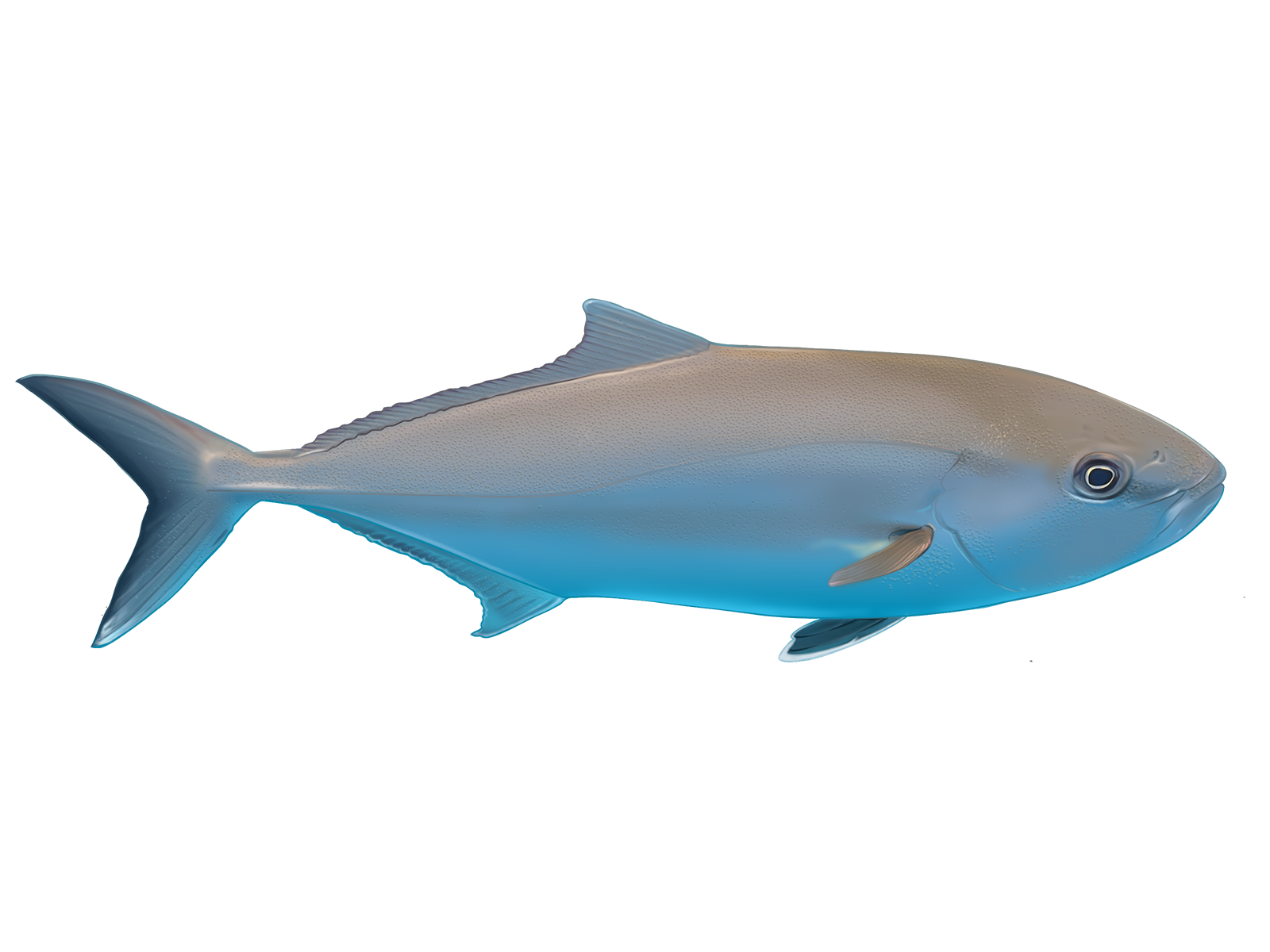 Greater Amberjack
 King Mackerel
 Mahi Mahi or Common Dolphinfish
- This 6-hour offshore trip with Captain Ben takes you out to the productive reefs where Grouper, Snapper, Cobia, and Amberjack are waiting. You'll fish the deeper Gulf waters aboard his 26' Twin Vee catamaran
- a stable platform that handles up to 4 anglers comfortably. The trip kicks off at 7 AM and covers everything you need: quality tackle, fresh bait, fishing licenses, fuel, and fish cleaning at the end of the day. Captain Ben knows these waters well and focuses on bottom fishing techniques around the offshore structure where these species hang out. Military folks get a discount too, which is a nice touch from the captain.
Trip Pricing and Availabilities:
6 Hour Destin Offshore Fishing Trip
When you're ready to leave the crowds behind and chase some serious fish, this 6-hour offshore adventure with Captain Ben puts you right where the action is. We're talking deep Gulf waters where the big boys hang out – grouper stacked up on rocky ledges, snapper schools thick as thieves, and cobia cruising the blue water looking for an easy meal. Starting at 7 AM sharp, you'll climb aboard a rock-solid 26' Twin Vee catamaran that cuts through chop like butter and gives you plenty of room to work. With space for up to 4 anglers, this isn't some cattle-boat operation – it's quality time on quality water with a captain who knows exactly where to put you on fish.
What to Expect on the Water
Captain Ben's Twin Vee catamaran is built for Gulf fishing, plain and simple. The twin-hull design keeps things stable when you're fighting fish or when the seas pick up a bit, and there's enough deck space that four anglers won't be bumping elbows all day. We'll steam out to productive reefs and structure spots that hold fish year-round – the kind of places you mark on your GPS and keep coming back to. The ride out gives you time to get your head in the game while Captain Ben briefs you on what we're likely to see and how we'll fish for it. Coffee's always welcome on the early morning run, and once we reach the fishing grounds, it's all business. These aren't random spots – they're proven producers where Captain Ben has put clients on fish trip after trip.
Bottom Fishing & Reef Tactics
This is classic Gulf Coast bottom fishing at its finest. We're dropping baits down to structure and reefs where fish stack up like apartments – different species at different levels, all waiting for the right presentation. Captain Ben provides all the tackle you'll need, from heavy conventional reels that can handle big grouper to medium-action setups perfect for snapper. Fresh bait makes all the difference out here, and we come prepared with whatever's working best – squid, cigar minnows, pinfish, or whatever the fish are demanding that day. The technique is straightforward but takes some finesse – you've got to feel the bottom, work your bait around the structure, and be ready when something grabs hold. When a big grouper decides your bait looks tasty, you'll know it immediately. The rod doubles over, the drag starts screaming, and it's game on.
Species You'll Want to Hook
King Mackerel are the speed demons of the Gulf, and when they're running, few fish can match their raw power and blistering runs. These silver bullets typically show up in good numbers during spring and fall migrations, though you can find them year-round in deeper water. Kings average 15-30 pounds out here, but 40-pounders aren't uncommon, and they'll test your drag system and your arms. What makes them special is that first run – when a king grabs your bait and takes off for the horizon, it's like someone just hooked your line to a motorcycle. They're also excellent table fare when handled properly, with firm white meat that's perfect on the grill.
Mahi Mahi, or common dolphinfish as they're properly called, are probably the most beautiful fish you'll pull over the rail. Their electric blues and greens light up when they're fighting, and they put on an aerial show that'll have you reaching for your camera. Mahi are warm-water fish, so they're most common during summer months when the Gulf Stream pushes closer to shore. They travel in schools and love floating debris or weed lines, so when you find one, there are usually more nearby. Size-wise, they range from schoolie-sized fish around 5-10 pounds up to bull dolphins that can push 30-40 pounds. The meat is sweet and flaky – some say it's the best eating fish in the Gulf.
Greater Amberjack are the bulldogs of the reef, and they'll give you a workout you won't forget. These amber-colored bruisers live around hard bottom and structure, right where we'll be fishing. AJs are notorious for their ability to find every piece of structure on the bottom when they're hooked – they'll wrap you around rocks, dive into caves, and generally make your life difficult. That's what makes them so much fun to catch. They're most active in spring and early summer, and a good-sized amberjack will go 30-50 pounds, though real giants can top 60. The key is keeping them away from the bottom once you've got them hooked, which is easier said than done.
Great Barracuda are the wolves of the reef – sleek, fast, and equipped with a mouth full of razor-sharp teeth. They're ambush predators that hang around structure waiting to slash at anything that looks like an easy meal. Barracuda are exciting to catch because they're aggressive strikers and acrobatic fighters, often jumping and tail-walking when hooked. They're year-round residents in the Gulf, and while they typically run 10-20 pounds, trophy fish can reach 40 pounds or more. Handle them with respect – those teeth aren't just for show. Many anglers release barracuda, but smaller ones are decent table fare if you know how to prepare them.
Cobia are the wildcards of Gulf fishing – they show up when you least expect them and can make your whole day in a matter of minutes. These brown, shark-looking fish are curious by nature and will often swim right up to the boat to investigate. Spring is prime time for cobia as they move inshore to spawn, but you can find them around structure year-round. What makes cobia special is their size – 30-50 pound fish are common, and 60-pounders aren't rare. They're also fantastic eating with firm, white meat that's often compared to shark. Cobia fight hard but smart, using their broad tails and powerful